
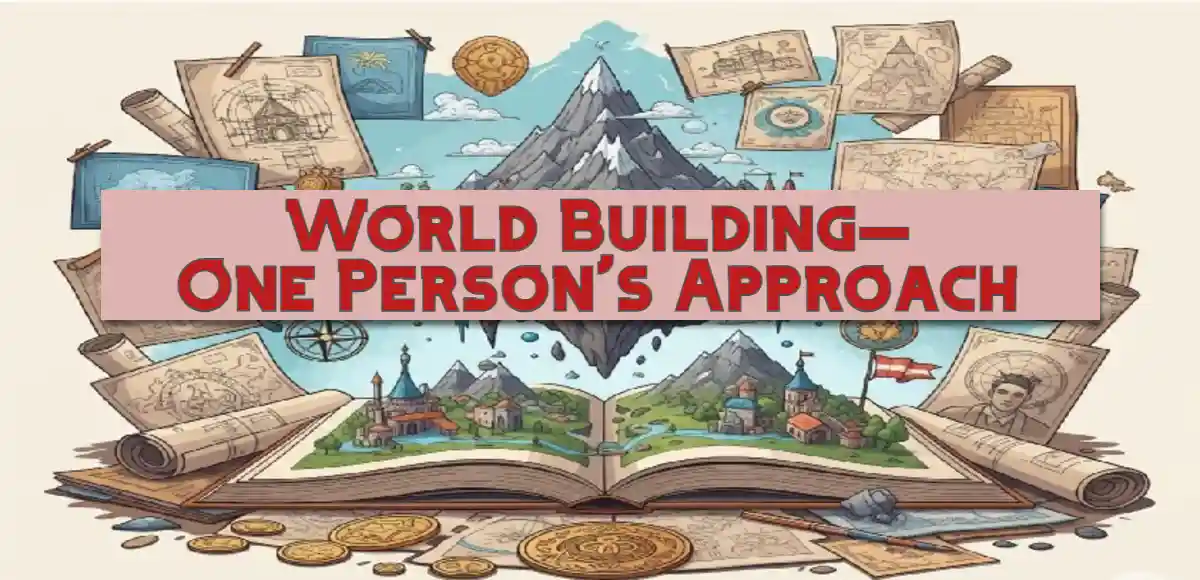
So, you’re writing a novel, and the world differs from the one you live in—by a little or a lot. Maybe the story is about the past or the future, or strange people, economics, or technology. There might be magic in the world, or the setting could be on Pluto.
“The stranger the better,” you say. “That’s why they call it ‘fiction.’”
You’re head-down, putting ideas on virtual paper before you realize you’ve spelled a character’s name five different ways, character descriptions don’t match from beginning to end, and tech that works one way in Chapter 5 works differently in Chapter 15. How do you keep it all straight?
Give Your Story a Companion
Every writer has a unique approach to this problem, tailored to circumstances, training, and proclivities.
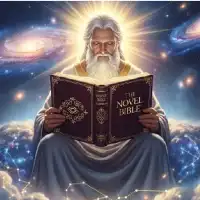
My approach? As I create the story, I build a companion “bible,” and throw everything into it relevant to the novel. The bible grows with the story, sometimes exceeding one hundred pages or more, documenting an alternate world. A large bible needs its own table of contents and version control.
Instead of playing whack-a-mole, aligning words, timelines, descriptions, and concepts, a bible gives you a source of truth, allowing you to proceed with confidence.
The goal is to make your world consistent, believable (within the context of a story), and enjoyable to readers.
Worldbuilding Tools and Tips
I’ve outlined my methods, provided detailed examples of critical bible elements, and pointed to a few world-building resources in the downloadable charts. Remember that with great power comes great responsibility—to get the story right.
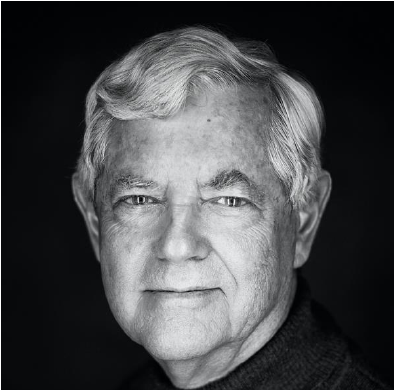
published his first novel, The Perfection of Fish, in 2020. His manuscript for The Pieces of My Self won the 2023 Claymore Award for Best Sci-fi/Fantasy. The Digital Dreams of Henri Knightly is a work in progress, long-listed for the Yeovil International Literary Prize. He belongs to an astrophysics society and lives near